 Explanation
Biosensing / Apple
Where an earbud measures.
See how a controller selects electrodes, and what the disclosed measurement can tell us.
4 annotations · Original and explainedCommission a report like thisA patent raises a question. Follow it into the claims, the description and the original pages. Build a focused patent conversation that stays connected to its sources.
Choose the explanation that fits your question and your level of familiarity. Use these examples in your brief or follow-up question.
Explain what this patent describes, the problem it addresses and the main idea in everyday language.
A clear explanation with technical terms defined and links to the passages behind it.
A focused explanation follows the standard question price. A guided patent explanation costs 5 credits. Dedicated visual briefings will be quoted separately.
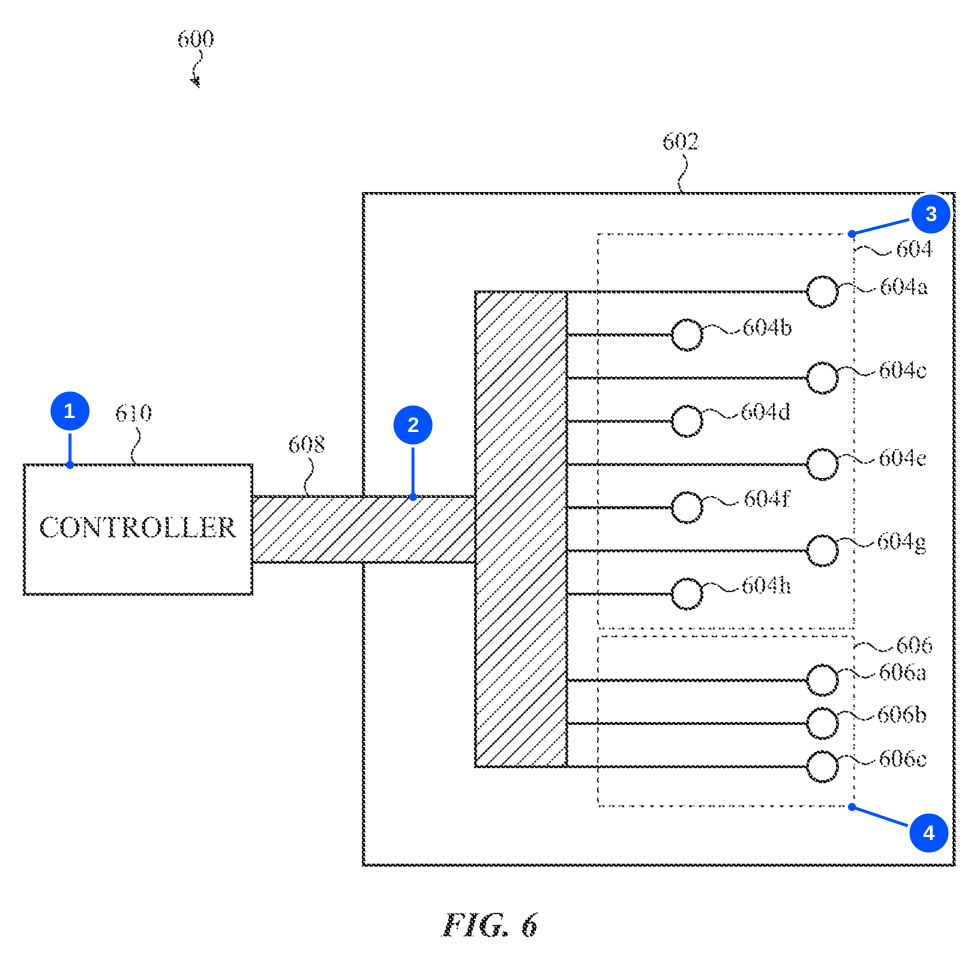
How does this earbud design choose where to measure? Follow our annotations on the original patent drawing, with each part explained and the supporting description close at hand.
It may choose an active subset and a reference subset, then perform a measurement test using both. EEG is one example.
The hatched carrier holds the electrodes and may electrically couple them to the controller. The description names a flex or microaxial cables.
These eight contacts form the active group shown here. The controller may select one or more; the drawing does not identify a chosen subset.
A reference subset is also selected. The measurement uses the selected active and reference subsets together.
Our contribution: the original made readable, the roles explained, and the supporting pages one click away.
Explore the full explanationA focused visual briefing built around the figures that explain the patent best. Keep the original beside a clearly labelled explanation, with a component key and a short sequence showing how the system works.
Choose the question, level of detail and number of figures first. A multi-page visual explainer is quoted separately from a standard Q&A answer; it is not yet available through self-service checkout.
Understand a patent or ask a focused question. Use the same research credits, with the price shown before you confirm.
Start with an explanation for 5 credits, or a focused answer for 1 credit.
Open your patent studioA focused, cited answer from its full available text.
A guided explanation, original figures and an offline reading edition.
One research credit = US$1. Top-ups: $10 or $25. No subscription required.
These prices cover focused questions on searchable sources. Substantial OCR, exhaustive document review or a broader investigation receives a separate quote before any charge.
Routine PDF-to-text extraction is included. Reusing text already in your library won’t carry another preparation fee.
Single-patent explanations, answers and two-to-six-patent investigations are available in Studio. Bespoke visual briefings are quoted separately.
Choose one publication for a guided explanation or focused question. Search its full available text, including material beyond the passages selected for your report. Choose two to six prepared publications in the Studio for a single investigation with original figures, individual source records and documented connections.
Ask what a claim requires, where a measurement is described, or how two designs differ. An answer should give you the relevant wording and a clear route to inspect it.
A 200-page patent does not mean sending 200 pages to AI for every answer. A focused question can retrieve relevant sections and their surrounding context. Page count alone does not determine the price.
Reviewing every page, preparing substantial scanned material or investigating a broad subject is a different scope. You receive a separate quote before any charge. The agreed review will not be silently shortened to fit a standard answer.
Each answer includes supporting passages and publication/page references, with source gaps identified. Follow-up questions stay attached to the publications selected for that conversation.
Q&A is optional. Reading your report and downloading its included evidence remain covered by your existing access terms. Create an account, add research credits and confirm your reading plan. No invitation is required.
Report pricing → · Source access & downloads → · Planned patent monitoring →
Open a finished example before shaping your own research.
ExplanationSee how a controller selects electrodes, and what the disclosed measurement can tell us.
4 annotations · Original and explainedCommission a report like this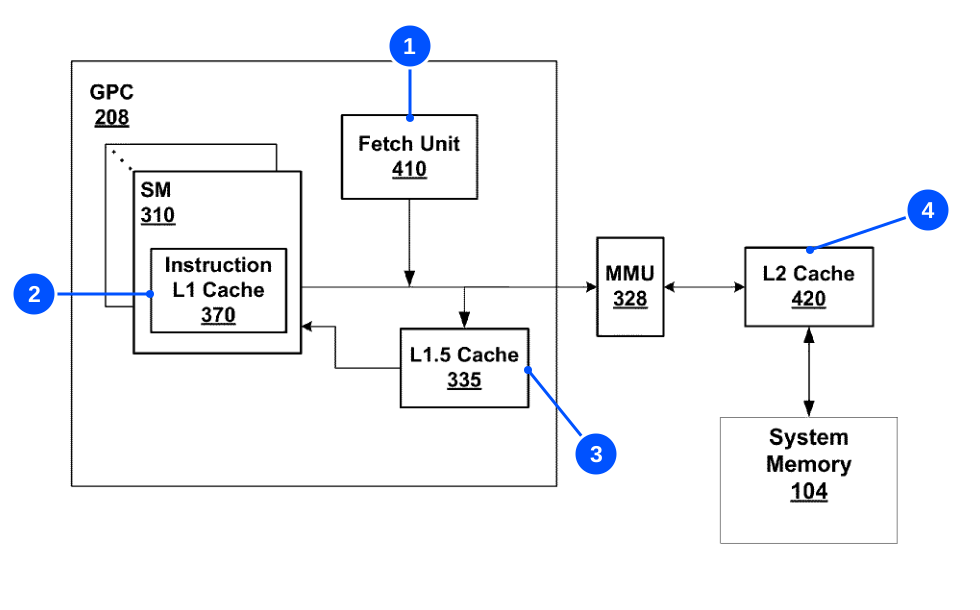 Explanation
Explore the cache hierarchy and the decisions that try to keep a processor moving.
12 callouts · 3 original figuresCommission a report like this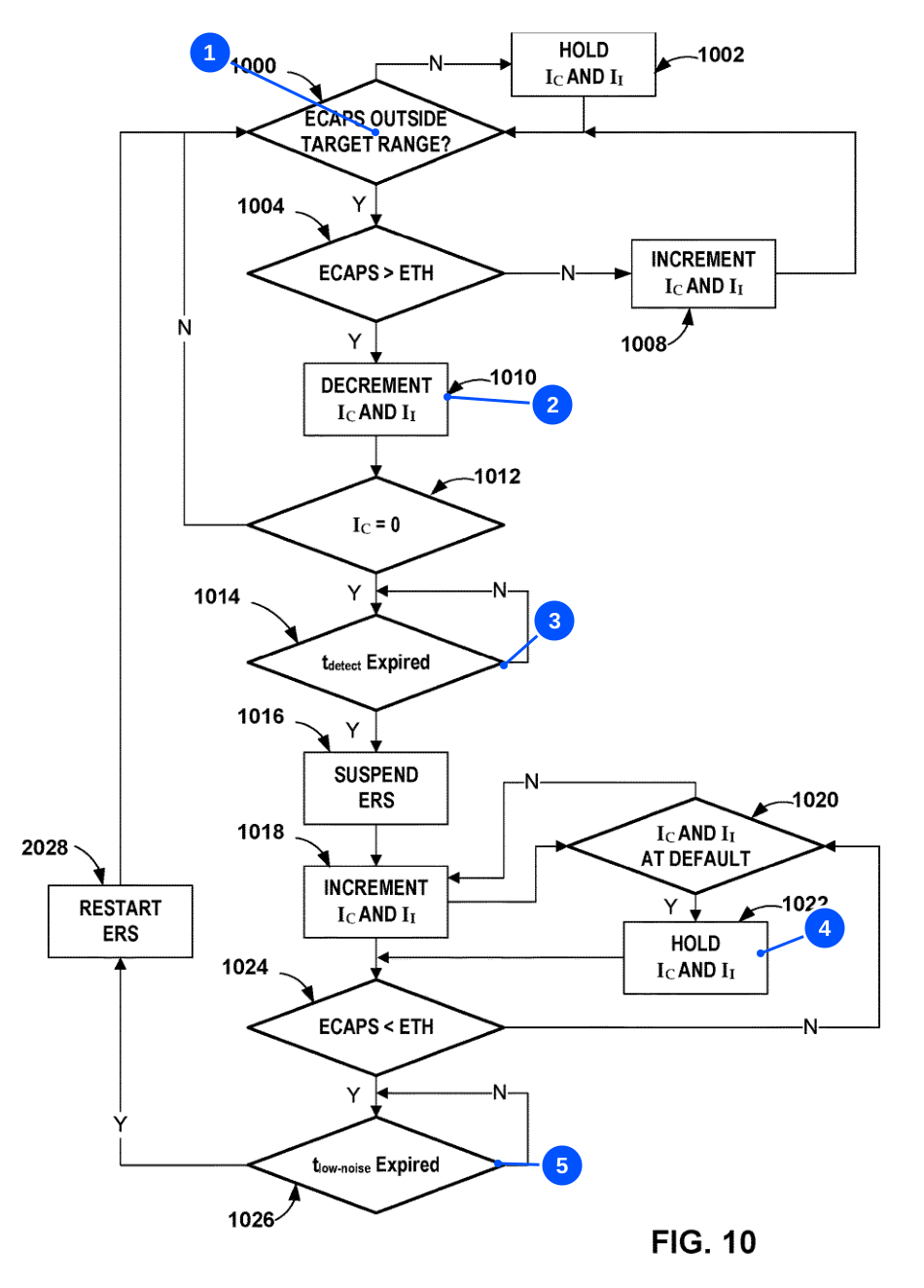 Investigation
Two patents. Different feedback decisions. Compare what is sensed and what happens next.
2 patents · 15 annotations · 13 reading pagesCommission a report like this