Get the whole passage.
Read exact phrases in context, with publication details and stable evidence references. Keep the wording that makes a mention meaningful.
Understand one patent. Compare several. Explore a whole field. Get clear explanations, original drawings and evidence you can follow.
Your question sets the scope. Review the price before paid work begins.
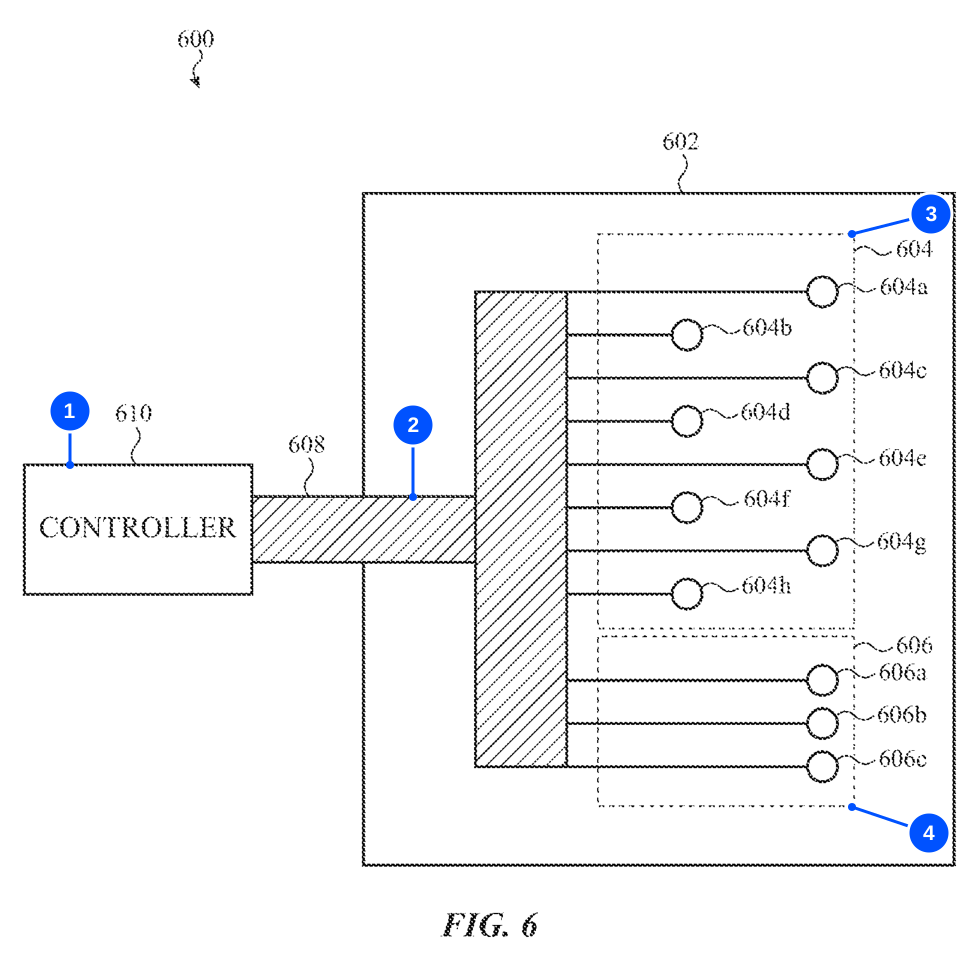
It may select active and reference electrodes, then measure using both subsets. EEG is one example.
Read the source · p. 21Open an explanation, follow a drawing, explore the evidence.
 Biosensing
 Optical sensing
 Computing
 Robotics
 Medical technology
 Battery materials
 EUV lithography
Start with what you want to understand. Leave with a reading you can use—and the evidence to explore it.
Find your report Review the scope and price before you commit.One patent, a company or a whole field. Choose the depth that fits your purpose.
Follow the findings into cited passages, original drawings and available source PDFs.
Read online, download your edition and return to its sources. Scope, price and delivery are agreed up front.
Inside your deliveryA mention is useful. Understanding what surrounds it is where the research begins.
Read exact phrases in context, with publication details and stable evidence references. Keep the wording that makes a mention meaningful.
Move from individual mentions to a technical map and an Oracle Overview. Follow the interpretation back to its supporting evidence.
Inspect available original PDFs and highlighted source pages. See where OCR was used, where sources are missing and what remains unverified.
Explore the Graphene Oxide & Quantum Dots report, then see how a visual evidence chapter brings a patent drawing into focus.
Where do the materials work together? When do both phrases name one particle? The Overview answers concrete research questions, with evidence behind each finding.
How does this earbud design choose where to measure? Follow our annotations on the original patent drawing, with each part explained and the supporting description close at hand.
It may choose an active subset and a reference subset, then perform a measurement test using both. EEG is one example.
The hatched carrier holds the electrodes and may electrically couple them to the controller. The description names a flex or microaxial cables.
These eight contacts form the active group shown here. The controller may select one or more; the drawing does not identify a chosen subset.
A reference subset is also selected. The measurement uses the selected active and reference subsets together.
Our contribution: the original made readable, the roles explained, and the supporting pages one click away.
Explore the full explanationFollow an ear-worn biosensor from its contacts to the supporting patent passage. Real source pages, readable annotations, and a way to inspect the evidence for yourself.
Explore the annotated exampleReid and Tess are AI research assistants. This film explains a published design; it does not establish that the functionality is present in a product.
Original figures. Our explanation. The evidence within reach.
Choose a finished example. Read the explanation, explore the original and keep the PDF.
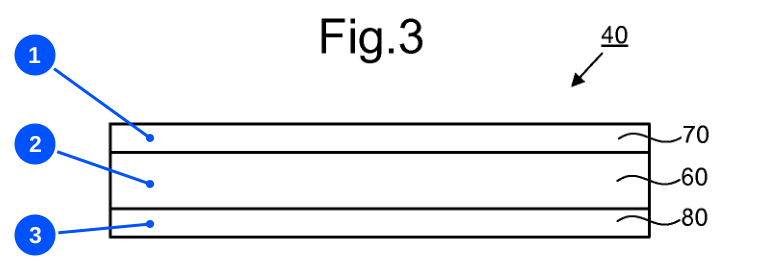 Explanation
Follow the original layer stack and the competing demands of protection, light and heat.
6 annotations · 34 original pages includedCommission a report like this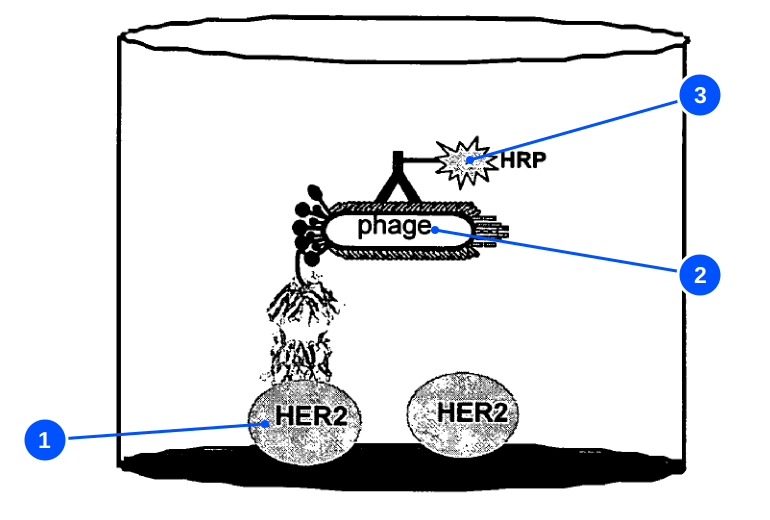 Explanation
A deliberately placed chemical handle. Two different screening questions. See how a proposed attachment site earns closer study.
6 annotations · 8 reading pages · 105 original pages includedCommission a report like this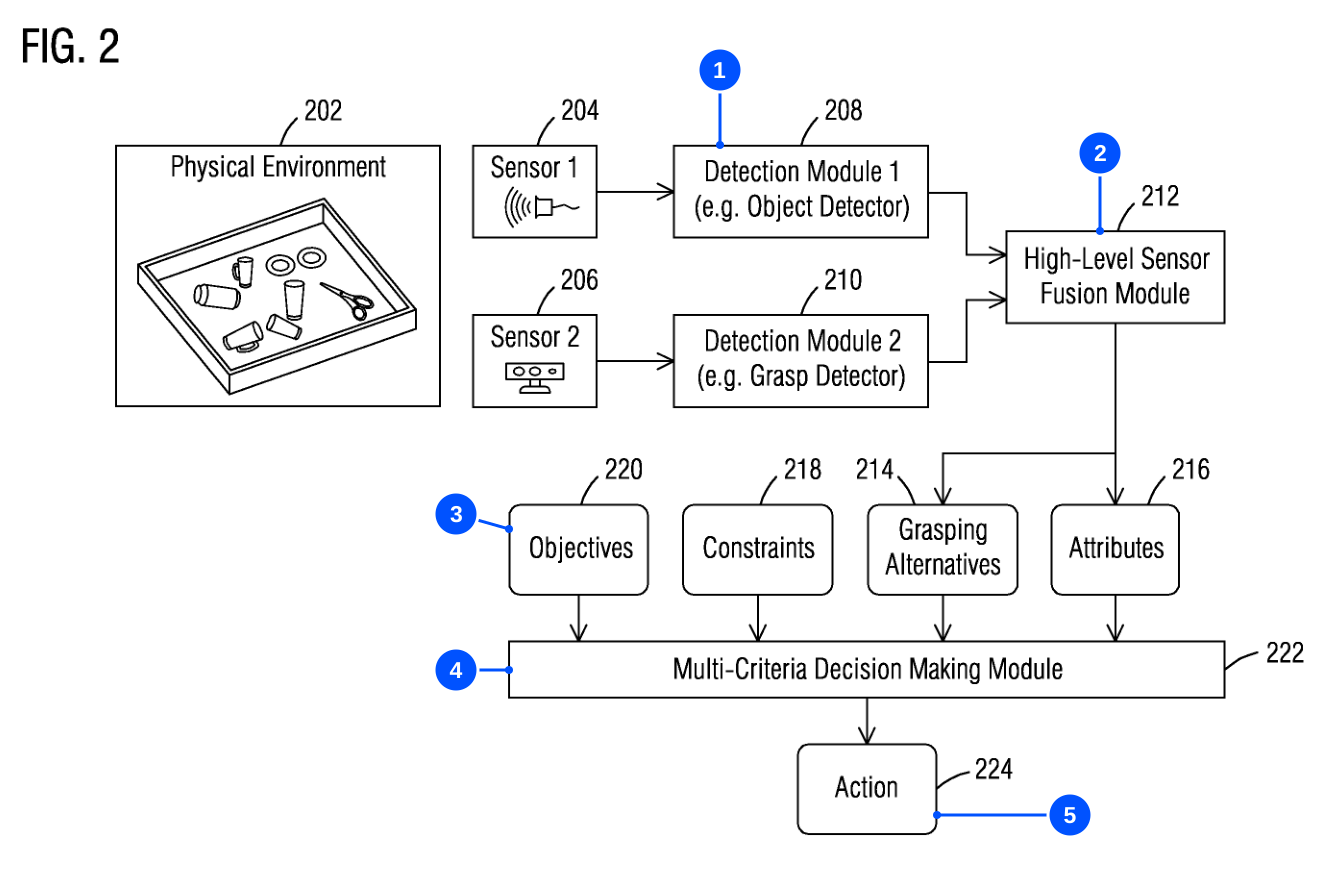 Explanation
Seeing an object is only the beginning. Follow the choices between detection and action.
5 annotations · 6-page source studyCommission a report like thisExplanationSee how a controller selects electrodes, and what the disclosed measurement can tell us.
4 annotations · Original and explainedCommission a report like this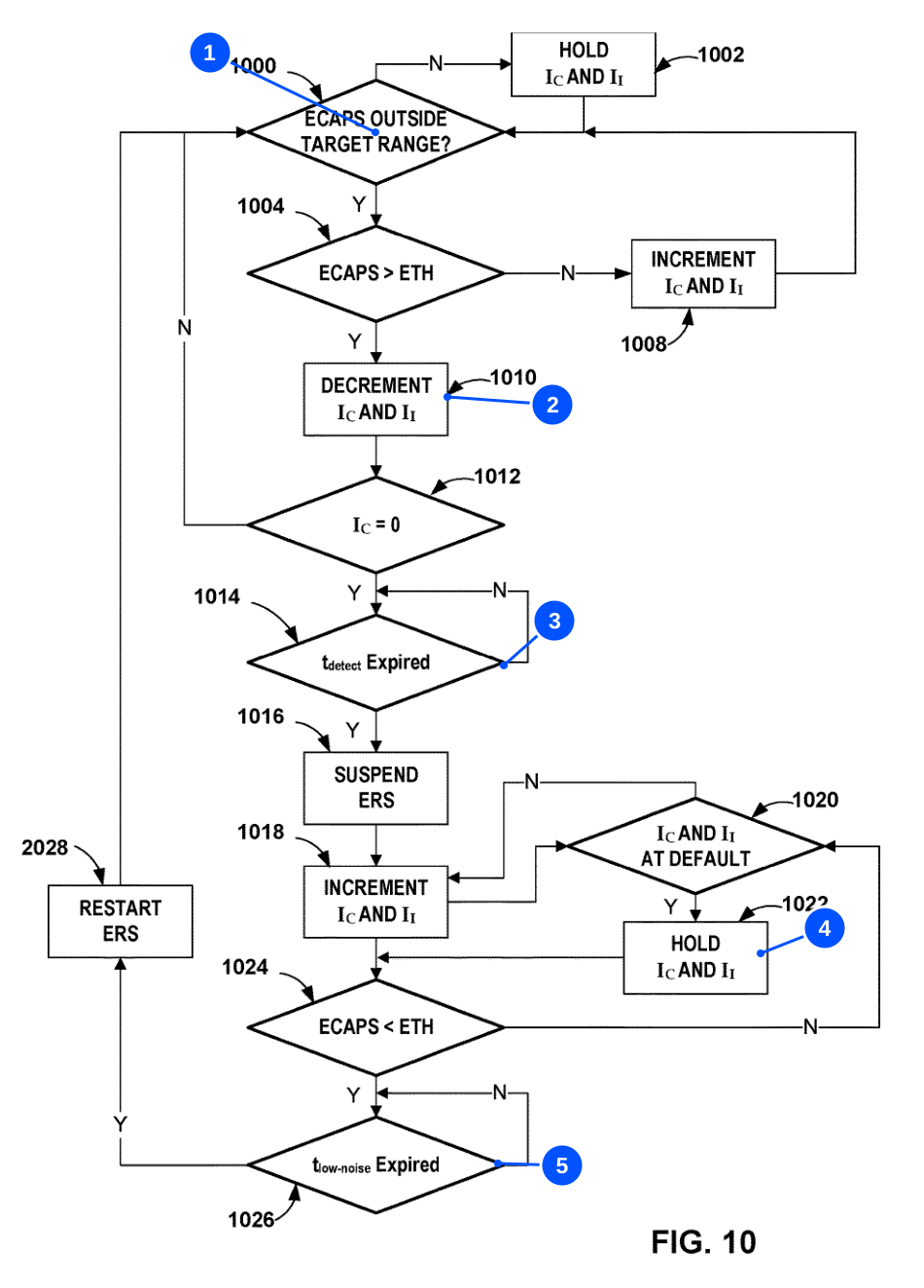 Investigation
Two patents. Different feedback decisions. Compare what is sensed and what happens next.
2 patents · 15 annotations · 13 reading pagesCommission a report like this ExplanationAI editorial illustration
Trace the lithium-bearing stream and separate the core claim from the optional steps.
6 annotations · 11 original pages includedCommission a report like this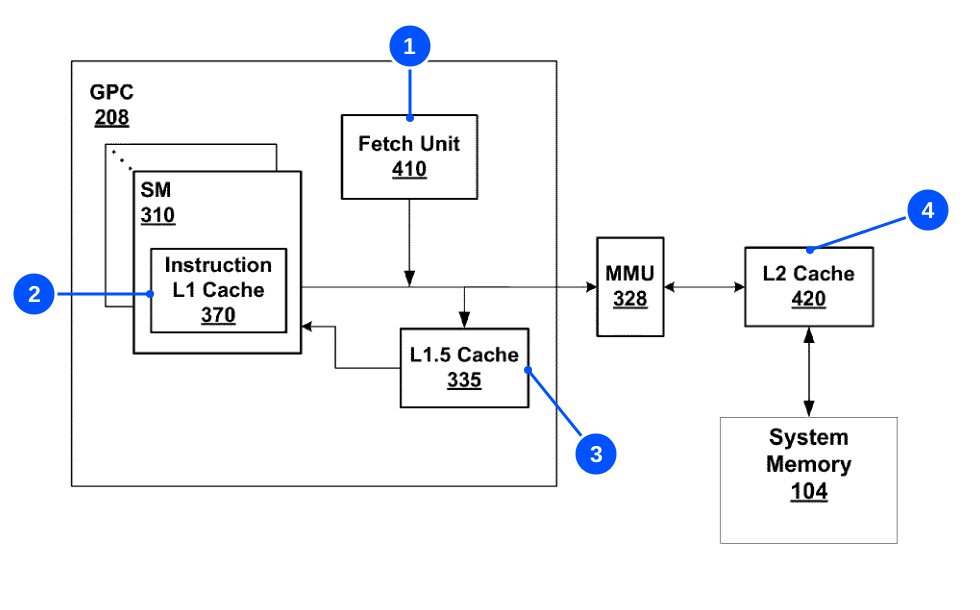 Explanation
Explore the cache hierarchy and the decisions that try to keep a processor moving.
12 callouts · 3 original figuresCommission a report like this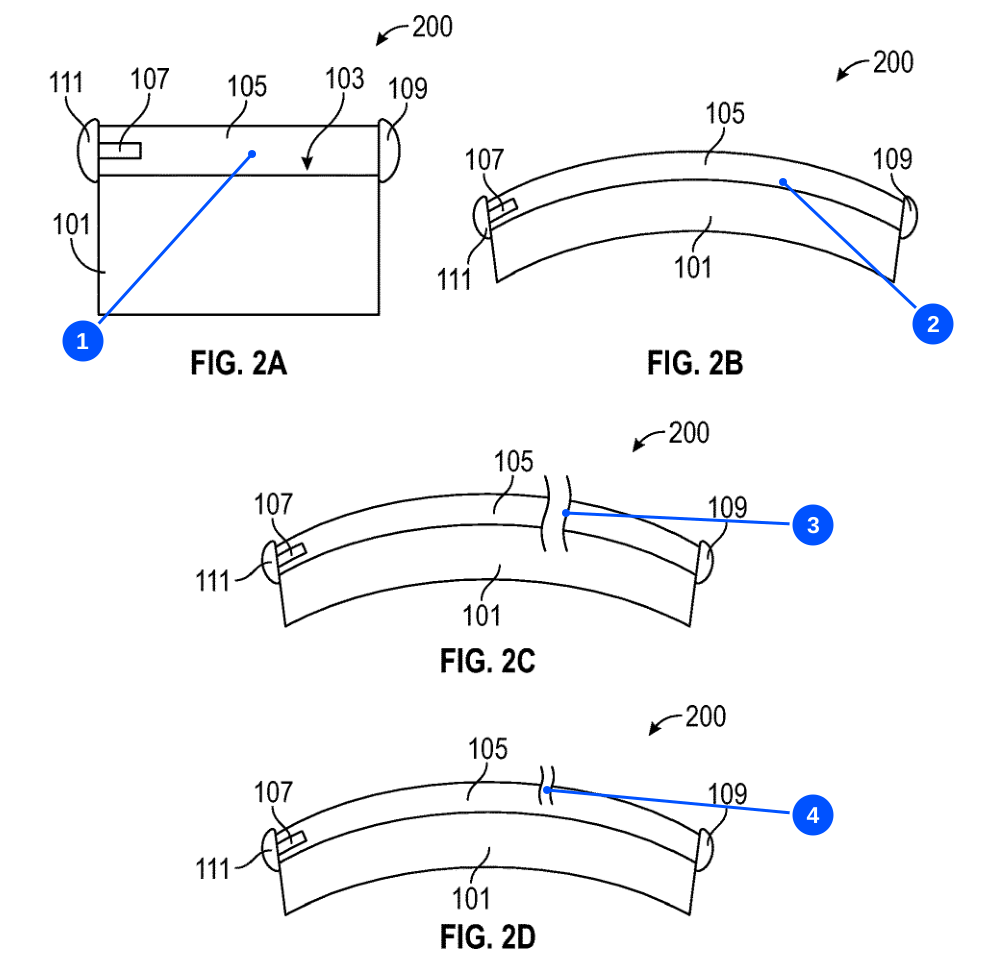 Explanation
Follow a sensing layer from mechanical stress to an optical signal.
13 callouts · 16 original pages includedCommission a report like this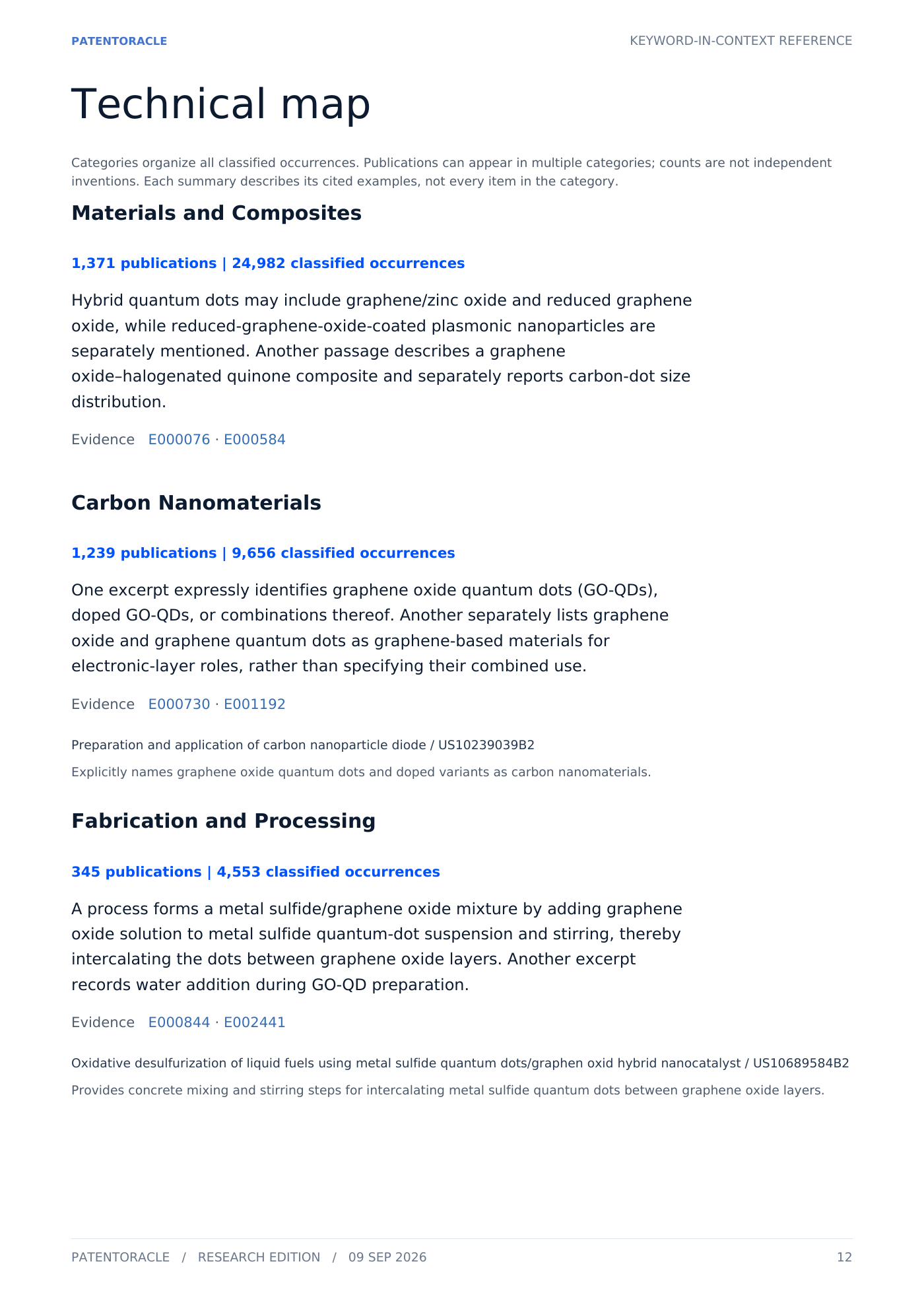 Research sample
Graphene oxide and quantum dots, read in context across a patent collection.
4 sample pages · From a 1,967-publication editionCommission a report like thisYour reading, its sources, and a place to return when the next question arrives. Explore our materials edition online, or see the options for a printed copy.

A detail catches your eye. Follow it. Ask about a patent and follow each answer into the original evidence. Start with an explanation, then explore the details that matter to you.
Search beyond the passages in your report, across the full available patent text. Keep the conversation attached to the sources.
Explore patent Q&A & explainers Pay as you explore · No subscription requiredFor example · Apple earbuds · US20230225659A1
Which biosignals does the patent describe measuring?
What do the claims require, and what does the description add?
Where does it discuss collecting and using the measurements?
An answer. The supporting passage. A route to the original.
Open your patent studioGood research takes work. You’ll know what is included and when to expect it before production begins.
Start with your questionStart with a topic, company or inventor. Combine exact phrases with all-or-any matching, then tell us what you want to understand.
Review the discovered publications, coverage and estimated delivery window before production begins.
Track source collection, text extraction, interpretation and quality review from your private workspace.
Receive a reading report and the complete recorded evidence library, with available originals and highlighted copies.
Meet Reid and Tess, our AI research assistants. Messages reach our research team for a human-reviewed reply.
Meet your research assistantsNow welcoming research projects.